
Categories of Users for Website Content Generators
A website content generator caters to various users, including small business owners, digital marketers, and freelancers, all seeking efficient, engaging landing page copy for their projects.
The range of users for a website content generator varies significantly based on their specific needs and goals. Businesses seeking to establish an online presence can benefit from these tools by creating copy that connects with their target audience. Small business owners rely on a website content generator to produce engaging text that reflects their brand voice meanwhile saving time and resources. Additionally, freelancers and independent contractors may use these generators to craft compelling landing pages for multiple clients, allowing for efficient project management. Organizations aiming to increase their digital footprint can also utilize these tools to streamline content creation processes.
Marketing professionals utilize website content generators to develop persuasive copy that drives conversions. The ability to quickly generate landing page text enables marketers to conduct more rigorous A/B testing, optimizing their campaigns for better performance. By tailoring the content to specific demographics, marketing teams can create targeted messaging that aligns with consumer preferences. Furthermore, these tools allow for immediate adjustments based on market trends or feedback, facilitating a versatile approach to digital marketing strategies. This adaptability helps in maintaining relevance in swiftly moving environments.
Summarized in brief
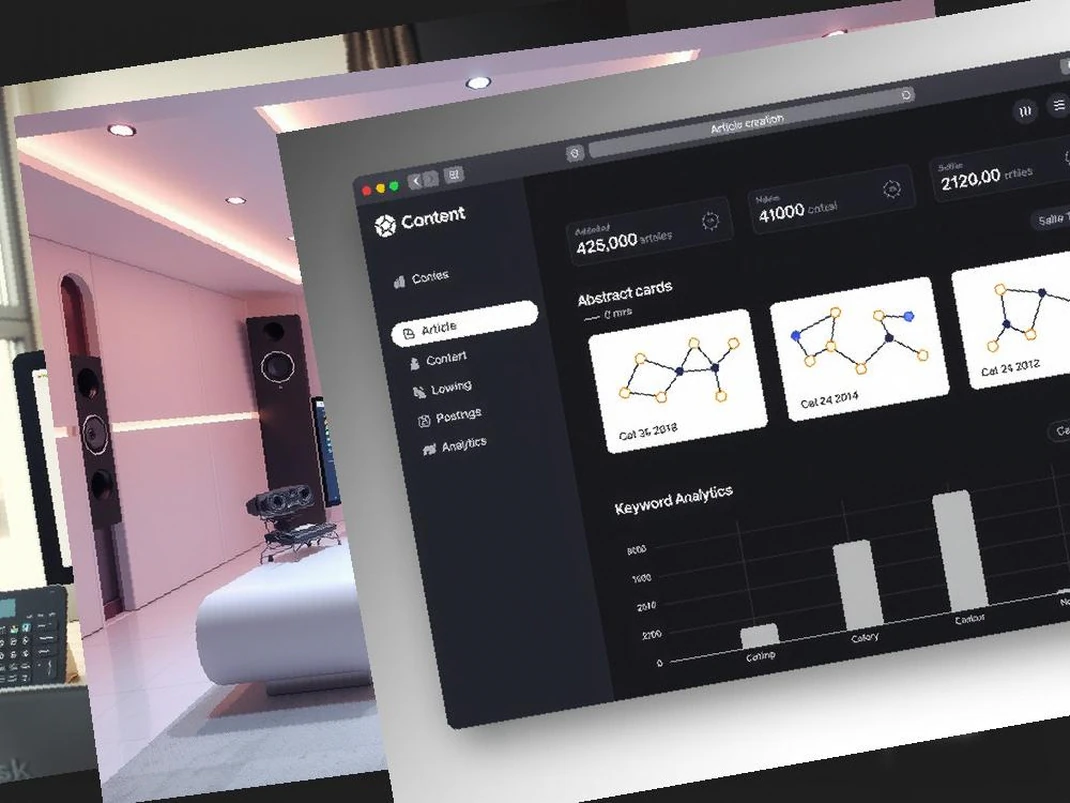
- Breakdown of different user types for website content generators, highlighting their unique needs.
- Discussion of frequent mistakes made by users when utilizing content generation tools.
- Detailed guide offering insights into how to effectively use website content generators.
- Key factors to take into account when selecting a website content generator for specific purposes.
- Emphasis on the importance of comprehension target audience and content objectives.
- Tips for maximizing the efficiency and effectiveness of generated content.
E-commerce platforms are another significant user group for website content generators. These platforms require high volumes of product descriptions and promotional material that attract potential buyers. A website content generator can automate the creation of this text, ensuring that product listings are consistently informative and engaging. This efficiency is vital for maintaining inventory updates and managing seasonal promotions without sacrificing quality. As these websites expand their offerings, the need for scalable content solutions becomes increasingly important.
Educational institutions are also applying website content generators to develop informative and appealing content. Schools, colleges, and universities can use these tools to create landing pages that attract prospective students and provide crucial information about programs and admissions. By automating the content creation process, educational institutions can focus on delivering quality education although ensuring their online presence remains effective. Additionally, non-profit organizations can benefit from similar strategies by generating awareness-raising content that communicates their mission and initiatives. This allows them to reach wider audiences without diverting resources away from their core activities.
Content creators and bloggers find website content generators valuable for maintaining a steady flow of fresh material. These users face the challenge of producing regular content during also engaging their audience. By utilizing a content generator, bloggers can streamline their writing process, allowing for more time to focus on topics that strike a chord with their readers. This approach can lead to increased traffic to their sites and encourage community engagement through regular updates. Additionally, the ability to generate keyword-rich content can significantly improve search engine rankings.
SEO specialists also contribute greatly in the ecosystem of website content generators. These professionals require content that is optimized for search engines to improve visibility and drive organic traffic. A website content generator equipped with SEO capabilities can produce copy that adheres to best practices, including keyword density and readability. This ensures that the generated text not only appeals to readers but also meets the technical requirements of search engines. The synergy between content generation and SEO efforts can result in more effective online marketing campaigns.
User Demographics for Website Content Generators
| User Type | Description | Key Needs | Content Goals |
|---|---|---|---|
| Small Business Owners | Small business owners often seek effective ways to create landing pages that attract customers. They require simple and straightforward content generation tools to effectively promote their services and products online. | Ease of use, affordability, and immediate results. | To drive traffic and generate leads through compelling landing page copy. |
| Marketing Professionals | Marketing professionals are focused on creating high-quality content that reverberates with their target audience. They employ content generators to boost their campaigns and make certain consistency in messaging across various platforms. | High-quality output, scalability, and adaptability to different campaigns. | To improve conversion rates and optimize marketing strategies through personalized landing pages. |
| Freelance Writers | Freelance writers utilize content generation tools to save time and augment their productivity. These tools can assist in generating ideas and content outlines, enabling writers to focus more on creativity and less on initial drafts. | Variety of content styles, quick generation, and brainstorming assistance. | To expand their portfolio by producing diverse and engaging landing page copy. |
| Bloggers | Bloggers often search for unique content that can capture reader interest. Website content generators can provide them with fresh ideas and copy that aligns with trending topics, making their blogs more engaging for visitors. | Trending topics, originality, and engaging language. | To attract more visitors and retain readers through charming landing page content. |
| E-commerce Entrepreneurs | E-commerce entrepreneurs need landing page copy that converts visitors into buyers. They focus on product descriptions, promotional texts, and persuasive calls-to-action to enrich their online storefronts. | Persuasive language, product-specific content, and strong CTAs. | To increase sales and improve the overall shopping experience through effective copywriting. |
| SEO Specialists | SEO specialists aim to optimize landing pages for search engines. They utilize content generators to produce keyword-rich copy that not only engages users but also ranks well in search engine results. | SEO optimization, keyword density, and readability. | To boost organic traffic and improve search engine rankings with effective content strategies. |
| Non-Profit Organizations | Non-profit organizations use landing page content generators to create awareness and drive donations. They require impactful messages that convey their mission and encourage community support. | Emotional appeal, clarity of message, and community engagement. | To raise funds and gather support through compelling storytelling in their landing pages. |
| Corporate Teams | Corporate teams responsible for company branding and outreach utilize content generation tools to secure consistent messaging across various platforms. They focus on professionalism and brand voice in their landing page content. | Brand consistency, professional tone, and clear messaging. | To establish a strong brand presence and effectively communicate corporate values through their landing pages. |
Common Oversights with Website Content Generators
One often overlooked aspect of a website content generator is the importance of tailoring content to the target audience. Customization amplifies engagement and boosts conversion rates significantly.
The website content generator serves as a tool designed to create written material for online platforms. During it offers a range of benefits, certain aspects may be overlooked during its implementation. One common misconception is that these generators produce content that is inherently unique and high-quality. Users might assume that a simple input of keywords will result in engaging and informative text, but the reality can differ significantly. The quality of output depends heavily on the algorithm's design and the complexity of the input provided.
Another often-overlooked factor is the importance of human oversight in the content creation process. Whereas a website content generator can produce text quickly, the lack of human input can lead to inaccuracies or misinterpretations of topics. The generator relies on existing data patterns, which may not always align with the specific needs of a brand or audience. This reliance on automation can result in generic content that fails to capture the unique voice and tone of a business. Therefore, a collaborative approach, where human editors refine the generated content, may be necessary for achieving optimal results.
SEO considerations are also critical when utilizing a website content generator. The effectiveness of generated content in reaching target audiences can be diminished if it is not optimized for search engines. Many generators may not adhere to best practices for keyword usage, meta descriptions, or headers. Without proper keyword placement and formatting, even high-quality content may not perform well in search engine rankings. Recognizing SEO principles is indispensable for maximizing the potential of any content created through these tools.
Additionally, the role of audience engagement in content creation cannot be understated. A website content generator may produce text that is coherent but not necessarily engaging. Crafting content that lingers with readers requires an grasp of the audience's preferences and pain points. An automated tool may lack the ability to incorporate storytelling elements or emotional resonance that can entrance readers. Human insight into audience behavior can noticeably boost the effectiveness of the generated material.
Content diversification is another area where reliance solely on a website content generator may fall short. Even though these tools can generate articles, blog posts, and other text formats, they may not effectively cater to the diversity of content types that a all-encompassing digital strategy requires. Videos, infographics, and interactive content are indispensable components of modern web engagement. Integrating various content types necessitates a broader strategy that an automated generator cannot address on its own. A well-rounded content strategy should include multiple formats to meet different audience needs.
Timeliness and relevance also play significant roles in content success but can be overlooked when relying on a website content generator. Generators may produce content based on existing data and trends, but they may fail to account for fast-transforming current events or emerging topics. Keeping content fresh and timely requires ongoing human analysis of trends and audience interests. Thus, even though a generator can create foundational material, regular updates and adaptations should be part of the content management process. This ensures that the website remains a relevant and authoritative source in its niche.
Broad Guide to Website Content Generators
A step-by-step guide for using a website content generator reveals how AI website text writers can simplify content creation, ensuring users save time whereas maintaining quality and relevance in their writing.
A website content generator serves as a valuable tool for those seeking to create text for various online platforms. These generators utilize algorithms and artificial intelligence to craft content that meets specific criteria set by users. The technology behind these content generators has advanced significantly, allowing for customization and improved coherence in the generated text. By inputting keywords and desired topics, users can receive articles, blog posts, and other forms of website content that align with their themes. This automated approach saves time meanwhile providing a steady flow of information for digital spaces.
The primary function of a website content generator is to produce text that is relevant to a particular subject. Users can specify guidelines regarding tone, length, and formatting, which the generator processes to create customized content. Such tools are designed to accommodate a wide range of topics, making it possible for businesses and people to generate specialized articles without extensive research. Moreover, users can adjust the parameters to suit different types of content, such as promotional material or informative blog entries. This flexibility allows for the generation of a varied selection of text.
In addition to producing written content, a website content generator can assist with optimizing text for search engines. Many generators incorporate SEO best practices, helping users to integrate keywords strategically throughout the content. This feature is critical for those looking to improve online visibility and drive traffic to their websites. By generating SEO-friendly text, these tools can support marketing strategies and online branding efforts. The automatic inclusion of meta tags and descriptions further improves the performance of these generators.
Meanwhile utilizing a website content generator, attention should be given to the quality of the output. Even though AI technology can produce coherent text, it may lack the nuances and depth that a human writer can provide. Therefore, users are encouraged to review and edit generated content to confirm it meets their standards. Incorporating personal insights or specific details can meaningfully increase the final product. Balancing automation with human creativity often leads to more compelling website content.
Another significant aspect to evaluate is the potential for plagiarism in generated content. Some website content generators may produce text that closely resembles existing online materials. To mitigate this risk, users should employ plagiarism detection tools to verify the originality of the generated content. Maintaining unique and authentic text is essential to establishing credibility and trust with an audience. Regular monitoring and editing can further assure that the content remains distinctive.
Pricing structures for website content generators can vary widely. Many platforms offer tiered subscription models, providing access to different features based on the selected plan. Free versions may have limitations on content length or the number of generated pieces per day. Conversely, premium services provide advanced features, including more sophisticated algorithms and amplified customization options. Evaluating these options enables users to select the best fit for their content needs and budget.
Guide to Website Content Generator AI: Your Ultimate Website Text Writer
Reveal how AI-powered content generators can transform your website's text and improve your online presence.
Benefits of Using an AI Website Content Generator
- Increased Productivity: Generate high-quality content in a fraction of the time it takes to write manually.
- Cost-Effective: Reduce the need for hiring professional writers, saving you money on content creation.
- SEO Optimization: Many AI tools are equipped with features that help optimize your content for search engines.
- Consistent Quality: Maintain a consistent tone and style across your website, regardless of the number of articles or pages written.
- Customizable Output: Tailor the content generation process to fit your specific needs, including tone, style, and topic focus.
- Language Support: Many AI content generators support multiple languages, making them ideal for international businesses.
- 24/7 Availability: Access content generation tools anytime, ensuring you never have to wait for a writer's availability.
- Versatility: Useful for various types of content, including blog posts, product descriptions, social media posts, and more.
- Data-Driven Insights: Employ analytics to understand what type of content performs best and adjust your strategy accordingly.
- Content Variability: Generate multiple variations of the same topic, helping you avoid duplication and boost content diversity.
- Ease of Use: Most AI text writers come with user-friendly interfaces, making it easy for anyone to create content without technical expertise.
- Integration Capabilities: Many AI content generators can integrate with existing CMS platforms for unbroken content publishing.
- Regular Updates: AI models are frequently updated to improve performance and adapt to new writing trends.
- Support from Communities: Many AI tools have active user communities providing tips, tricks, and shared experiences for better utilization.
- Testing and Feedback: Some platforms allow for A/B testing of generated content to determine what echoes most with your audience.
How to Choose the Right AI Content Generator for Your Needs
When selecting an AI-powered content generator, consider the following factors:
- Your specific content needs and goals
- Budget and pricing models
- User reviews and testimonials
- Ease of integration with existing tools
- Customer support and resources available
Important Considerations for Website Content Generators
Specific notes on using a website content generator include focusing on keywords and industry-specific language to generate impactful business website content that connects with potential customers.
A website content generator serves as a valuable tool for businesses seeking to produce written material for their online presence. Utilizing algorithms and templates, such generators can create diverse types of content, including product descriptions, blog posts, and service pages. This technology allows for the rapid generation of text that aligns with a company's branding and messaging. By inputting specific keywords and parameters, users can receive designed specifically content that meets their unique needs. The efficiency of these generators can significantly reduce the time and effort required to develop a strong online presence.
Many website content generators rely on artificial intelligence to analyze existing data and craft relevant content. This capability enables the generator to produce pieces that connect with target audiences although maintaining coherence and context. Businesses can benefit from a consistent tone and style, which strengthens brand recognition and customer engagement. Furthermore, these tools can adapt to various industries, making them versatile for businesses in different sectors. The ability to generate content in bulk can also support regular updates to websites, which is indispensable for search engine optimization.
Search engine optimization (SEO) is a critical component of digital marketing strategies, and a website content generator can contribute to this aspect. By incorporating relevant keywords and phrases within generated content, businesses can improve their online visibility. High-quality content that adheres to SEO best practices can lead to increased website traffic and better ranking on search engines. The automated nature of these generators can help maintain a steady flow of fresh content, which search engines favor. Businesses can thus utilize these tools to meet their SEO goals efficiently.
Customization is a significant feature of many website content generators. Users can adjust parameters such as tone, style, and content length to match their specific requirements. This flexibility allows businesses to produce content that aligns closely with their marketing strategy during remaining engaging to potential customers. Additionally, the capacity to create varied types of content—from informative articles to persuasive landing pages—makes these generators useful across different marketing campaigns. Customizable outputs can cater to the distinct voice of a brand, enabling a more authentic connection with the audience.
Content quality is an fundamental consideration when using a website content generator. Although these tools can produce text quickly, the quality may vary based on the algorithms and databases employed. It is important to review and edit generated content to guarantee accuracy and relevance. Human oversight remains vital in refining the material to meet professional standards and align with the overall business objectives. Consistency in quality contributes to maintaining a reputable online presence.
Integration with existing content management systems (CMS) is another feature that boosts the utility of website content generators. Many tools offer compatibility with popular CMS platforms, allowing for streamlined content deployment. This integration can streamline the process of updating websites and reduce the need for manual input. Businesses can implement a more efficient workflow, ensuring that new content is published quickly and accurately. Such connectivity can also facilitate collaboration among team members, as multiple users can access and manage generated content effectively.
FAQs about Website Content Generator AI Text Writer
What is a website content generator AI text writer?
How does an AI text writer generate content?
Can an AI text writer produce SEO-optimized content?
Is the content generated by AI unique?
How user-friendly are AI text writing tools?
Can I edit the content generated by an AI text writer?
Are there any limitations to using an AI text writer?
How can I make the most out of an AI text writer?
Is there a cost associated with using website content generator AI text writers?
Can AI text writers adapt to my specific industry or niche?



