

Photo Organizing Software
Utilize this photo organizing software to find duplicate photos and make better use of your device's memory.


To properly manage photos software needs to be effective but also easy to use. This is what SortPix XL, a leading photo organizer software suite, offers. Designed for PCs and other devices running Windows, this comprehensive photo management software package has everything you will ever need to manage your digital library of images. Ideal for professional photographers and amateur image-makers alike, the photo manager software has a raft of different functions that allow users to run a duplicate photo finder program, organize photos in new ways, remove duplicate photos, search images more effectively, and rename their files in one fell swoop. With so many tools, SortPix XL truly is the only photo organizer software you will ever need.
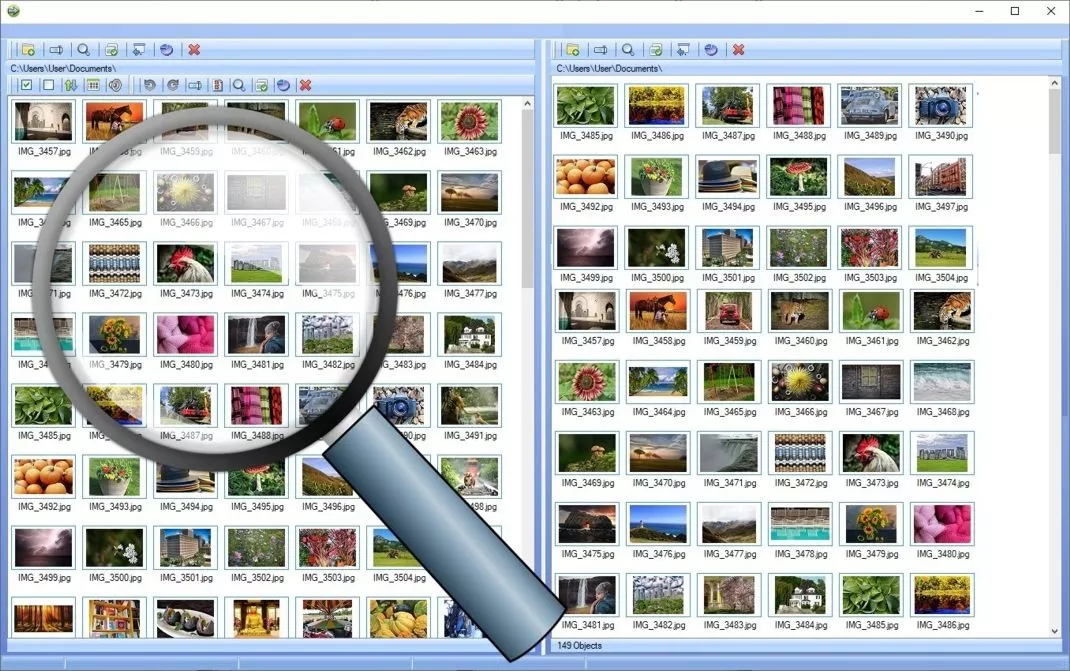
Screenshot: Photo Organizer Software
Designed to be easy to operate even if you have never used photo management software before, the application offers numerous sorting and filtering functions as well as the ability to display EXIF data, something that many digital photographers will find useful. That said, what many users will find of most use is using this tool as a duplicate photo finder. All too often, people do not delete duplicate photos from their drives or memory cards.
Photo Organizer Software - Start Download
The application areas of the software for PC are:
- Is made as an easy photo organizer software and duplicate checker
- Is used as an intelligent duplicate photo finder
- Developed as photo management software for Windows 11 and Windows 10
- Is utilized as photo organizing software for PC
- Applied as smart photo manager software with duplicate cleaner
With a duplicate photo finder running on your system, you will be able to find duplicate photos with ease. The reasons you might want to find duplicate photos are, of course, varied. For some, it will be because they want to delete duplicate photos to free up memory. Others will want to remove duplicate photos because doing so makes images they are working on in post-production that much easier to find.
Key Features of the Photo Organizing Software:
- Image Management: The photo organizing software allows efficient organization and management of your photo collection.
- Efficient Cataloging of Your Photos: Organize your photo collection in a structured and orderly manner.
- Display of EXIF Data: EXIF data such as settings, capture date, exposure, and aperture are displayed in an organized manner.
- Clear Display of Images: Various viewing options.
- Archiving of Images: Safely archive and preserve your images for the long term.
- Structured Organization of Photos: Photos are arranged according to your individual requirements.
- Filter and Sorting Options: The photo organizing software offers various filtering and sorting options to organize your photos.
- Image Editing Features: Edit images directly within the photo organizing software.
- Image Management: Images are managed and made easily accessible.
- Easy Image Import: Importing images into the software is straightforward.
- Powerful Image Search: The software facilitates finding images through powerful search functions.
Advantages of the Photo Organizing Software:
- Quick and time-saving sorting of large photo collections.
- Intuitive user interface for easy operation.
- Identification and removal of duplicates to save storage space.
- Automatic detection of image contents for better organization.
- Clear and systematic cataloging of your photos with the photo organizing software.
- Display of EXIF data such as capture date and settings.
- Customizable organization according to your needs with the photo organizing software.
- Powerful search and filtering functions for targeted selection.
- Edit images directly within the photo organizing software.
- Straightforward integration of new images.
- Create individual photo albums for better organization.
Disadvantages of the Photo Organizing Software:
- Only available for Windows operating system.
Duplicate Photo Finder and Photo Organizing Software to Organize Photos on PC
Even better, the duplicate photo finder allows you to find duplicate photos automatically.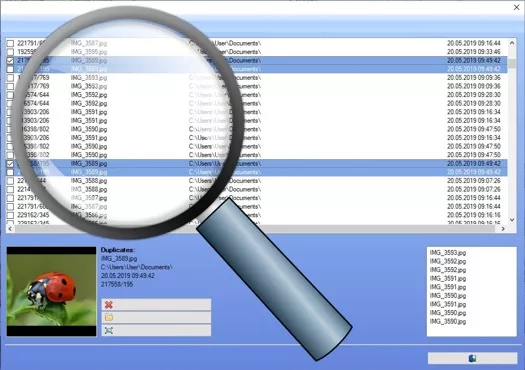
Screenshot: Duplicate Photo Finder
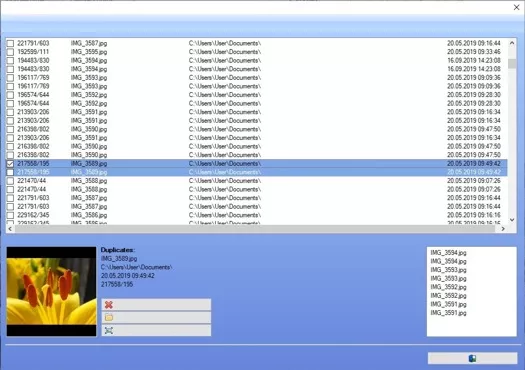
Screenshot: Find Duplicate Photos
This means the duplicate checker finds duplicate photos from your library while you get on with another task, such as editing or cataloguing. Users then have the ability to remove duplicate photos the application has found by manually selecting each one. As such, the duplicate cleaner program offers a great deal of user control. Alternatively, set the program to find duplicate photos automatically and then delete duplicate photos it has found straight away.
Duplicate Photo Finder - Download Here
In short, this high-quality photo management software suite provides users with all of the versatility they might need for specific tasks, especially in the duplicate photo finder part of the program where the level of control afforded is particularly effective. Whether you want to organize images in a hassle-free way without using up so much time or would simply like to clear up your library so that things are easier to find when you need them, this tool will deliver.
Photo Organizing Software Windows 11 Users Will Benefit From
Photo organizer software Windows 11 and 10 users will be able to download and start using immediately.Designed exclusively for Windows, this cleverly programmed photo organizer software is downloaded within a short period of time, depending on the speed of your internet connection, onto your device. The program will then install itself, and new users make use of its handy installation wizard to take them through this procedure without any fuss. Once installed, the photo manager software is ready to go!
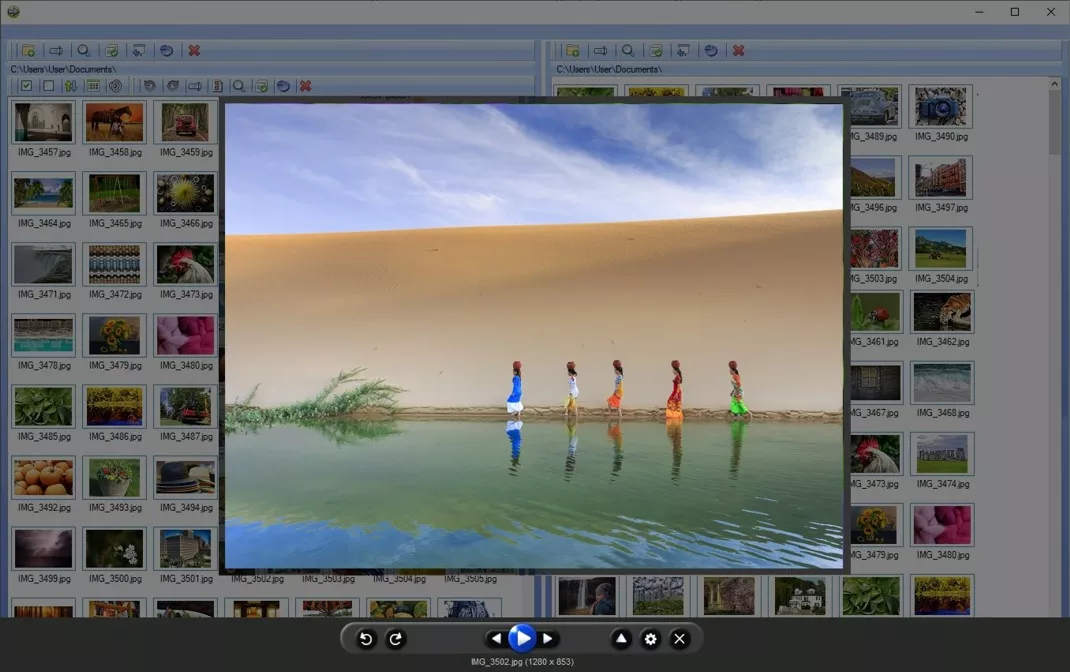
Screenshot: Photo Organizing Software
Many photographers now keep images stored on their computer after having initially captured them on their digital SLR. For Windows users, this means being able to access everything in their image library in just one place. However, to manage photos, software also needs to be installed, or the numerous folders and files soon get out of hand.
Just making a single edit of an image leads to unnecessary duplications unless a good photo organizer software system is installed to track them down and remove them. Otherwise, you might end up editing one image and coming back to it another day and re-editing the original rather than the one you had already been working on.
Photo Management Software Anyone Can Use
Organize photos and other digital images simply and easily, a leading photo organizer software package.As previously mentioned, SortPix XL is a photo organizing software package that makes it easy to find duplicate photos. What's more, it only takes a few clicks of your mouse to get up and running with the program. The developers behind the manage photos software have produced instructional videos explaining all of the system's functionality in full. So, for example, if you wanted to search for duplications in your image library but only within certain folders or file locations, it would take very little to start utilizing the application in this way.
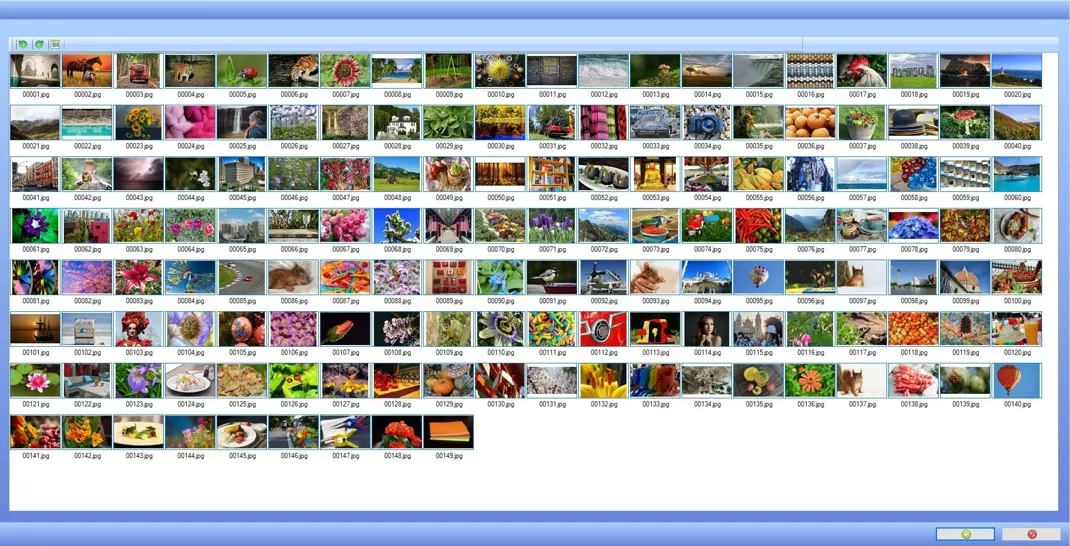
Screenshot: Photo Management Software
Indeed, the layout of the photo organizer software is extremely straightforward with the usual pull-down menus that anyone used to PC-based software will already be familiar with. The screen layout of the photo manager software is typically arranged such that the source files and folders being used by the system are on the left while the target folders and preview windows are placed on the right. This rational approach helps with the duplicate photo finder module as well as many of the programs other features, such as its advanced search function, for example.
Whether you are filtering your images using the photo manager software to locate a specific picture you want to use or are operating the multi-rename tool within the photo organizer software for PC.
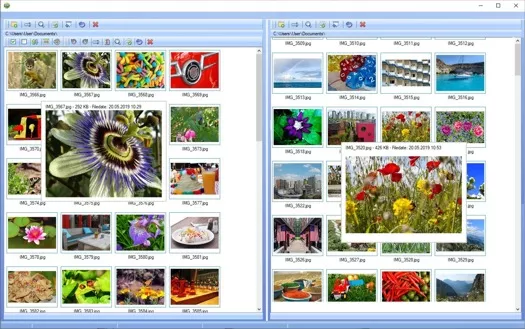
Screenshot: Photo Manager Software
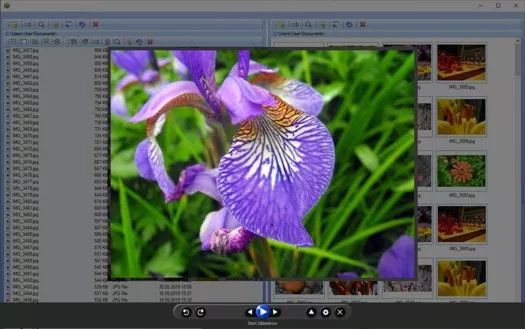
Screenshot: Manage Photos Software
The benefits of the organizer for delete duplicate photos are:
- No learning curve
- Tutorial videos for the functions
- Very easy handling
- Free updates
- Made for Windows 11, Windows 10 and all other Windows versions
In fact, the developers have even included a handy help icon, which is clicked on from within any screen in the photo organizing software, guiding you through any process. With this manage photos software, this and many other problems associated with managing a large digital image library will become a thing of the past!
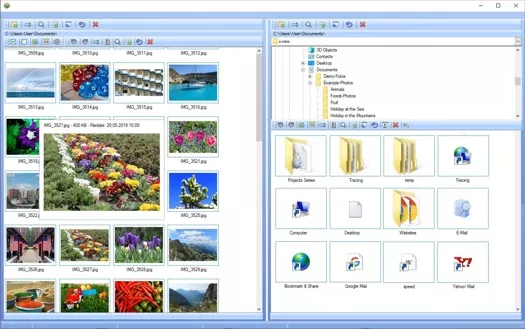
Screenshot: Remove Duplicate Photos
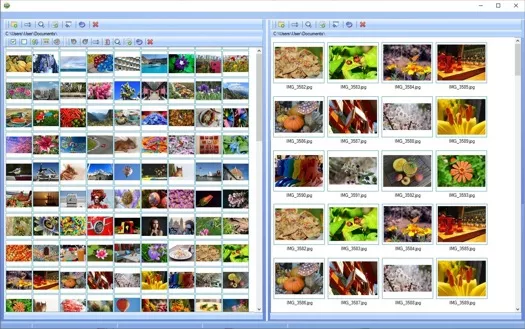
Screenshot: Delete Duplicate Photos
Few photo organizing software suites that are specifically designed for the Windows environment provide so much functionality coupled with ease of use. With an array of functions and user controls t their command, this app really does offer PC users a top-class system to organize their images in ways that suit them.
Operating System:
Developed for Windows 11, Windows 10, Windows 7 and Windows 8
Top 10 Photo Organizer Software in 2026
Photo organizer software helps manage growing image collections, find specific pictures faster and keep folders, metadata and duplicates under control. The best programs in 2026 range from simple folder-based photo managers to professional cataloging tools with face recognition, visual search, RAW support and batch processing.
This comparison covers ten photo organizers for Windows and macOS. Each program is reviewed according to ease of use, learning curve, organization features and workflow speed. The list includes software for home users, photographers, creative professionals and anyone who needs a clearer structure for large photo libraries stored on local drives, external storage or multiple catalogs.
1. SortPix XL - Easy photo organizer with duplicate detection
Key features of this photo organizer software:
- Scans selected folders for duplicate photos and supports the removal of redundant files.
- Sorts pictures between separate source and destination windows using drag and drop.
- Searches photo collections by filename, capture date and configurable date ranges.
- Displays EXIF metadata and provides tools for batch renaming, rotating, copying and moving images.
SortPix XL is a Windows photo organizer for arranging digital pictures in clearly named folders. It works directly with files stored on local disks and connected drives, allowing users to retain control of their existing photo archive. Separate source and destination windows simplify the process of sorting images by year, event, person, location or project. The duplicate photo finder helps identify repeated images created through multiple imports, copied folders or backups. Search filters, EXIF data and batch renaming tools make it easier to locate photos and replace unclear camera filenames. Duplicate results should still be checked before deletion, especially when a collection contains edited versions or intentional backup copies. SortPix XL is best suited to home users and photographers who prefer conventional folder management over a catalog-based or cloud-based library. Its main strengths are local photo organization, duplicate cleanup and everyday file management within one Windows application.
Advantages:
- The folder-based workflow is transparent and easy to understand.
- Users do not need to import their collection into a proprietary database.
- Routine organization tasks can be completed without repeatedly opening Windows File Explorer.
- The straightforward interface is suitable for beginners and occasional users.
Disadvantages:
- The software is available only for Windows.
- It does not provide face recognition, mobile access or synchronized cloud libraries.
Operating systems: Windows 10 and Windows 11
License: Commercial desktop license with a free trial version
Price: One-time purchase; the final price depends on region and current vendor offers
Primary purpose: Local photo organization, duplicate detection and folder management
Storage method: Works directly with photos in user-controlled folders and accessible drives
License: Commercial desktop license with a free trial version
Price: One-time purchase; the final price depends on region and current vendor offers
Primary purpose: Local photo organization, duplicate detection and folder management
Storage method: Works directly with photos in user-controlled folders and accessible drives
2. Excire Foto - AI-powered photo organizer and search tool
Key features of this photo organizer software:
- Searches photo libraries with written descriptions, visual similarities, faces, keywords and GPS information.
- Assigns searchable keywords by examining image content directly on the computer.
- Groups related shots and supports rapid comparison, rating and selection of the strongest photographs.
- Manages photos and videos together with thumbnails, metadata, collections and an integrated media viewer.
Excire Foto is a standalone photo organizer for Windows and macOS. It analyzes imported media locally and builds a searchable database without requiring users to upload their private collection. Photos can be located by subject, person, visual similarity, location, rating or a written description. The program is particularly useful when filenames and folder structures provide little help. Automatic keywords make older and poorly labeled photographs easier to retrieve, while face search can collect pictures of the same person across different years and events. Metadata may also be written to image or XMP files for use in other photography software. Excire Foto focuses on library management, searching and photo selection rather than detailed RAW development. It pairs well with a separate editor and suits users who need fast access to a large personal or professional archive. All major analysis takes place locally, although an internet connection is required periodically to validate the license.
Advantages:
- Even poorly named and untagged photos can be found without reorganizing every folder first.
- Local processing keeps private image collections away from compulsory cloud services.
- The one-time license avoids the continuing cost of a standard consumer subscription.
- The interface is easier to learn than a full digital asset management and editing suite.
Disadvantages:
- It offers fewer advanced image-editing controls than Lightroom Classic or Capture One.
- High-quality previews for very large libraries can require substantial additional disk space.
Operating systems: Windows 10 or Windows 11; macOS 11 or later
Processor: Multi-core 64-bit processor with AVX support; the Windows version is not optimized for ARM or Snapdragon processors
Memory: 8 GB RAM minimum; 16 GB or more recommended
Storage: Database size is approximately 250 MB per 100,000 photos; full-quality previews may require around 25 GB for 100,000 images
License: One-time purchase for Windows and macOS; no standard consumer subscription required
Price: Varies by product generation, region and current promotional offer
Internet connection: Required at least once every 30 days for license validation
Languages: English and German
Primary purpose: Local photo organization, content-based image search and efficient photo selection
Processor: Multi-core 64-bit processor with AVX support; the Windows version is not optimized for ARM or Snapdragon processors
Memory: 8 GB RAM minimum; 16 GB or more recommended
Storage: Database size is approximately 250 MB per 100,000 photos; full-quality previews may require around 25 GB for 100,000 images
License: One-time purchase for Windows and macOS; no standard consumer subscription required
Price: Varies by product generation, region and current promotional offer
Internet connection: Required at least once every 30 days for license validation
Languages: English and German
Primary purpose: Local photo organization, content-based image search and efficient photo selection
3. Peakto - Perfect all-in-one photo organizer
Key features of this photo organizer software:
- Indexes photos and videos from folders, external drives, NAS storage and supported application catalogs.
- Searches media by visual content, people, metadata, ratings, keywords and written descriptions.
- Reads catalogs from Lightroom Classic, Capture One, Apple Photos, Luminar Neo and DxO PhotoLab.
- Creates albums containing files from several sources without copying or relocating the originals.
Peakto is a macOS photo organizer for collections spread across several drives, folders and editing programs. It creates a central index of supported sources while leaving original files and catalogs in their existing locations. Photographers can browse Lightroom Classic, Capture One, Apple Photos and standard folders from one interface. Its search tools cover metadata, dates, ratings, people and visible image content. This helps users find photos even when filenames and keywords are missing. Related versions can be reviewed together, while albums may combine images from several catalogs without creating additional copies. Peakto complements rather than replaces a RAW editor. Detailed image correction and retouching remain in the original editing application, while Peakto handles searching, selection and library organization. It is particularly useful for photographers managing several catalogs, applications or storage locations.
Advantages:
- Existing editing workflows can remain in place without a complete library migration.
- A central overview reduces the time spent opening separate catalogs and searching different drives.
- Original media remains under the user’s control instead of requiring a mandatory cloud upload.
- The software is well suited to large, long-term photography archives.
Disadvantages:
- Peakto is available only for macOS.
- Large collections require additional time, storage space and processing power for indexing.
Operating system: macOS 12 Monterey or later
Processor: Apple silicon recommended; compatible Intel Macs are also supported
Memory: At least 4 GB RAM; 8 GB or more recommended
Storage: At least 2 GB free, plus additional space for indexes and previews
License: Subscription plans and a perpetual license are available, depending on the selected edition and sales channel
Trial: Free trial available
Primary purpose: Cross-catalog photo organization, media search and centralized library management
Processor: Apple silicon recommended; compatible Intel Macs are also supported
Memory: At least 4 GB RAM; 8 GB or more recommended
Storage: At least 2 GB free, plus additional space for indexes and previews
License: Subscription plans and a perpetual license are available, depending on the selected edition and sales channel
Trial: Free trial available
Primary purpose: Cross-catalog photo organization, media search and centralized library management
4. Lightroom Classic - Leading photo editing program
Key features of this photo organizer software:
- Organizes photographs with catalogs, collections, keywords, ratings, color labels and hierarchical folders.
- Filters large photo libraries by metadata, camera settings, capture date, location and editing status.
- Edits RAW files non-destructively while preserving the original image data.
- Detects people, identifies duplicate imports and supports tethered shooting from compatible cameras.
Lightroom Classic combines professional photo editing with detailed desktop library management. Images remain in user-selected folders, while the catalog records keywords, ratings, collections, adjustments and file locations. This structure works well for photographers managing separate shoots, client projects or long-term archives. The Library module provides several ways to narrow down a large collection without browsing folders manually. Photos can be filtered by date, camera, lens, rating, label, keyword or other metadata. Smart Collections update automatically when images meet defined conditions, making them useful for portfolios, unfinished edits and delivery selections. Lightroom Classic is strongest when photo organization and RAW processing need to remain in one workflow. It requires regular catalog backups and careful file management, but it offers far more control than a simple image browser. Cloud storage is optional for the main archive because original files can remain on local or external drives.
Advantages:
- Photographers can manage, edit, export and print images without changing applications.
- The catalog system remains responsive with extensive photo archives when previews and storage are configured correctly.
- Edits are reversible, allowing several interpretations of one source image without creating full-size copies.
- Broad camera, lens and file-format support makes the program suitable for mixed professional equipment.
Disadvantages:
- Lightroom Classic is available only through an ongoing Adobe subscription.
- Moving or renaming folders outside the program can produce missing-file links inside the catalog.
Operating systems: Windows 10 version 22H2, Windows 11 version 23H2 or later; macOS Sonoma 14 or later
Processor: 64-bit Intel or AMD processor with SSE 4.2 support, compatible ARM processor through emulation, or Apple silicon
Memory: 8 GB RAM minimum; 16 GB or more recommended
Storage: 8 GB available for installation; a fast SSD is recommended for catalogs and previews
Graphics: DirectX 12 support on Windows or Metal support on macOS; at least 2 GB graphics memory
License: Adobe subscription with periodic online validation
Price: Included in the German Lightroom plan from 14.49 € per month with an annual commitment and monthly billing
Trial: 7-day free trial
Primary purpose: Desktop photo organization, RAW processing and professional image output
Processor: 64-bit Intel or AMD processor with SSE 4.2 support, compatible ARM processor through emulation, or Apple silicon
Memory: 8 GB RAM minimum; 16 GB or more recommended
Storage: 8 GB available for installation; a fast SSD is recommended for catalogs and previews
Graphics: DirectX 12 support on Windows or Metal support on macOS; at least 2 GB graphics memory
License: Adobe subscription with periodic online validation
Price: Included in the German Lightroom plan from 14.49 € per month with an annual commitment and monthly billing
Trial: 7-day free trial
Primary purpose: Desktop photo organization, RAW processing and professional image output
5. MAGIX Photo Manager Deluxe - Feature-rich photo organizer
Key features of this photo organizer software:
- Organizes photos and videos with categories, ratings, metadata and virtual albums.
- Reviews imported media and identifies duplicates, blurred images and weak shots.
- Imports pictures from cameras, scanners, smartphones and supported cloud services.
- Supports common image and video formats, including selected camera RAW files.
MAGIX Photo Manager Deluxe is a Windows photo organizer for sorting, searching and archiving personal image and video collections. Users can arrange files with categories, ratings, names, locations and events without saving additional copies of the same photo. The Selection Wizard checks new imports for duplicates, blurred pictures and weaker shots. Virtual albums provide another way to group photos for holidays, family events or projects while the original files remain in their existing folders. Basic correction tools cover brightness, contrast, color, sharpness and red-eye removal. The program also creates panoramas, slideshows and backups, making it suitable for home users who want photo management and simple presentation tools in one application.
Advantages:
- The clearly arranged interface is accessible to users with little photo management experience.
- Virtual collections prevent unnecessary file copies and reduce wasted storage space.
- Built-in backup reminders help users protect valuable family and travel photographs.
- The perpetual license avoids mandatory monthly payments.
Disadvantages:
- The program is limited to Windows and has no native macOS version.
- Its editing and cataloging controls are less extensive than those in professional photography software.
Operating systems: Windows 10 and Windows 11
Processor: 1.83 GHz or faster
Memory: 512 MB RAM minimum
Storage: 600 MB free disk space for installation
Display: Minimum resolution of 1024 × 600 pixels
License: Perpetual desktop license with one-time registration
Price: Regular price approximately €49.99; regional and promotional prices may differ
Trial: 30-day free trial
Internet connection: Required for registration, validation and selected online functions
Primary purpose: Personal photo organization, archiving, basic correction and slideshow creation
Processor: 1.83 GHz or faster
Memory: 512 MB RAM minimum
Storage: 600 MB free disk space for installation
Display: Minimum resolution of 1024 × 600 pixels
License: Perpetual desktop license with one-time registration
Price: Regular price approximately €49.99; regional and promotional prices may differ
Trial: 30-day free trial
Internet connection: Required for registration, validation and selected online functions
Primary purpose: Personal photo organization, archiving, basic correction and slideshow creation
6. Photo Mechanic - Reliable photo collection manager
Key features of this photo organizer software:
- Ingests photographs from memory cards while applying filenames, folders and metadata templates.
- Displays previews quickly for culling, rating, tagging and color-classifying large shoots.
- Writes IPTC information such as captions, keywords, copyright details and contact data.
- Transfers selected images to editing programs, online services, FTP servers and client delivery folders.
Photo Mechanic is built for photographers who need to review and deliver images soon after a shoot. It opens previews rapidly, allowing users to reject weak frames, mark selections and add ratings before beginning detailed editing in another application. Its ingest tools can copy cards to several destinations, rename files and apply copyright or assignment information during transfer. Caption templates, variables and code replacement are especially useful in sports, news and event photography where accurate metadata must be added under time pressure. The standard edition does not maintain a searchable catalog across disconnected drives. It is better suited to active jobs, folders and contact sheets than to a permanent archive containing many years of work. Photographers needing a long-term database must use a separate cataloging application.
Advantages:
- Large shoots can be reviewed without waiting for full RAW files to render.
- Metadata can be prepared once and applied consistently to hundreds of photographs.
- The program works alongside established RAW editors instead of replacing them.
- Customizable shortcuts support fast keyboard-based selection and delivery.
Disadvantages:
- The standard edition does not provide a permanent multi-drive image catalog.
- It contains no full RAW development or detailed retouching workspace.
Operating systems: Current 64-bit Windows versions; macOS 13 Ventura or later for the current universal Mac build
Processor: Intel-compatible Windows processor; Intel Mac or Apple silicon Mac
License: Monthly subscription, annual subscription or perpetual license with one year of updates
Price: US$14.99 per month, US$149 per year or US$299 for a perpetual license; taxes may apply
Trial: 30-day free trial without payment information
Installations: Single-user license for use on up to two computers
Primary purpose: High-speed ingest, culling, metadata entry and photo delivery
Processor: Intel-compatible Windows processor; Intel Mac or Apple silicon Mac
License: Monthly subscription, annual subscription or perpetual license with one year of updates
Price: US$14.99 per month, US$149 per year or US$299 for a perpetual license; taxes may apply
Trial: 30-day free trial without payment information
Installations: Single-user license for use on up to two computers
Primary purpose: High-speed ingest, culling, metadata entry and photo delivery
7. Capture One - Studio tool for organizing images
Key features of this photo organizer software:
- Manages images through catalogs, sessions, albums, Smart Albums, ratings and color tags.
- Filters photographs by metadata, keywords, capture details, ratings and editing status.
- Supports tethered capture with camera controls, live view and automatic file naming.
- Processes RAW files with layers, masks, color tools and non-destructive adjustments.
Capture One is professional photography software built around studio production, tethered shooting and RAW processing. Catalogs suit long-term image archives, while Sessions keep individual jobs in a self-contained folder structure that can be transferred or archived easily. Organization tools include ratings, color tags, keywords, filters and Smart Albums. Photographers can separate selects, rejected shots and finished images without moving the source files. During tethered sessions, captures appear immediately for review, naming and adjustment. The program is particularly useful for commercial, portrait, fashion and product photography. Its color controls and camera support are extensive, but the interface and file-management options require more training than a basic photo organizer.
Advantages:
- Studio teams can inspect photographs immediately while a shoot is still in progress.
- Sessions keep client jobs separate and simplify handover, transport and archiving.
- Reliable RAW processing reduces the need to move files between several applications.
- The customizable workspace can be adapted to different production roles and screen layouts.
Disadvantages:
- The software has a steeper learning curve than consumer photo organizers.
- Subscriptions and perpetual licenses are comparatively expensive for occasional users.
Operating systems: Windows 10 64-bit version 22H2 with ESU, Windows 11 version 23H2 or later; macOS 14 or later
Processor: Intel Core i3, compatible AMD processor, Apple silicon M1 or later, or supported Snapdragon processor
Memory: 8 GB RAM minimum; 16 GB or more recommended
Storage: 10 GB free disk space; SSD recommended
Display: Minimum resolution of 1280 × 800 pixels
License: Monthly or annual subscription and perpetual desktop license options
Camera support: More than 550 supported camera models
Internet connection: Required for activation, Capture One Live and cloud services
Primary purpose: Professional image organization, tethered capture and RAW development
Processor: Intel Core i3, compatible AMD processor, Apple silicon M1 or later, or supported Snapdragon processor
Memory: 8 GB RAM minimum; 16 GB or more recommended
Storage: 10 GB free disk space; SSD recommended
Display: Minimum resolution of 1280 × 800 pixels
License: Monthly or annual subscription and perpetual desktop license options
Camera support: More than 550 supported camera models
Internet connection: Required for activation, Capture One Live and cloud services
Primary purpose: Professional image organization, tethered capture and RAW development
8. ON1 Photo RAW - Affordable image manager
Key features of this photo organizer software:
- Browses and catalogs photo folders without requiring a separate import process.
- Organizes images with albums, ratings, color labels, keywords and searchable metadata.
- Combines RAW development, layers, masks, effects and portrait retouching in one program.
- Finds photographs by filename, date, camera information, location and assigned keywords.
ON1 Photo RAW is a combined photo organizer and RAW editor for Windows and macOS. It can browse existing folders directly, allowing photographers to begin sorting images without moving the collection into a closed catalog. Albums, ratings, color labels, keywords and metadata filters help separate selected images from rejected or unfinished files. The program also includes non-destructive development, masking, layers, effects, resizing and portrait correction. ON1 Photo RAW suits photographers who want library management and detailed editing without an Adobe subscription. Its broad toolset offers good value, although current versions require stronger hardware than lightweight photo management software.
Advantages:
- Users can work with their existing folder structure instead of completing a lengthy catalog migration.
- A perpetual license is available for photographers who prefer to own the software.
- The integrated workflow limits the need for additional editing and effects programs.
- Installations are permitted on more than one computer, depending on the selected edition.
Disadvantages:
- The large number of tools can make the interface feel crowded at first.
- Advanced masking and processing perform best on a recent computer with ample RAM and graphics memory.
Current version: ON1 Photo RAW 2026.4
Operating systems: Windows 11 x86 or ARM; macOS 13 or later
Processor: Four-core 64-bit processor minimum; Apple silicon supported
Memory: 8 GB RAM minimum, or 16 GB when shared with the graphics processor; 32 GB recommended
Storage: 6 GB free disk space for installation; SSD recommended
Graphics: Compatible graphics hardware with at least 4 GB VRAM and 1920 × 1080 display resolution
License: Perpetual license for Photo RAW; subscription and perpetual options available for selected higher editions
Installations: Standard Photo RAW license supports up to two computers
Internet connection: Required for installation, activation, updates and online services
Primary purpose: Folder-based photo organization, RAW editing and creative image processing
Operating systems: Windows 11 x86 or ARM; macOS 13 or later
Processor: Four-core 64-bit processor minimum; Apple silicon supported
Memory: 8 GB RAM minimum, or 16 GB when shared with the graphics processor; 32 GB recommended
Storage: 6 GB free disk space for installation; SSD recommended
Graphics: Compatible graphics hardware with at least 4 GB VRAM and 1920 × 1080 display resolution
License: Perpetual license for Photo RAW; subscription and perpetual options available for selected higher editions
Installations: Standard Photo RAW license supports up to two computers
Internet connection: Required for installation, activation, updates and online services
Primary purpose: Folder-based photo organization, RAW editing and creative image processing
9. ACDSee - Versatile photo viewer and organizer
Key features of this photo organizer software:
- Organizes files with ratings, tags, categories, keywords, color labels and location metadata.
- Detects and identifies faces so photographs can be searched by person.
- Finds images through Quick Search, advanced AND/OR queries, filters and automatic categories.
- Handles duplicate detection, batch renaming, resizing, conversion and metadata editing.
ACDSee Photo Studio Home 2026 is a Windows photo viewer and organizer that works directly with folders on the computer. Users can browse an existing archive immediately instead of moving every photograph into a separate managed library. Manage Mode provides several ways to describe and retrieve files, including categories, keywords, ratings, labels and location data. People Mode groups named faces, while duplicate detection helps identify repeated files created through imports, copies or backups. The program also includes practical editing and batch-processing tools for everyday use. It is a good fit for home users with large local collections, although photographers needing advanced RAW development should consider the Professional or Ultimate edition.
Advantages:
- Existing folders can be viewed and managed without a lengthy library migration.
- Local image analysis keeps personal photographs away from compulsory online processing.
- Background tasks allow users to continue browsing while imports and conversions run.
- A perpetual license is available for users who prefer a one-time purchase.
Disadvantages:
- Photo Studio Home 2026 is available only for 64-bit Windows systems.
- Its RAW processing and layer-based editing options are limited compared with higher ACDSee editions.
Current version: ACDSee Photo Studio Home 2026, build 29.1.0.3461
Operating systems: Windows 10 64-bit and Windows 11
Processor: 64-bit Intel or AMD processor; Intel Core i5 or better recommended
Memory: 8 GB RAM minimum; 16 GB or more recommended
Graphics: DirectX 12 graphics adapter with 2 GB VRAM; 4 GB VRAM recommended
Storage: 5 GB free disk space
License: Perpetual license with optional upgrade purchases
Price: Regular price US$59.99; promotional pricing may vary
Trial: Free trial available
Primary purpose: Folder-based photo viewing, organization, searching and basic editing
Operating systems: Windows 10 64-bit and Windows 11
Processor: 64-bit Intel or AMD processor; Intel Core i5 or better recommended
Memory: 8 GB RAM minimum; 16 GB or more recommended
Graphics: DirectX 12 graphics adapter with 2 GB VRAM; 4 GB VRAM recommended
Storage: 5 GB free disk space
License: Perpetual license with optional upgrade purchases
Price: Regular price US$59.99; promotional pricing may vary
Trial: Free trial available
Primary purpose: Folder-based photo viewing, organization, searching and basic editing
10. Adobe Bridge - Asset Manager for Adobe users
Key features of this photo organizer software:
- Browses photographs, videos, PDFs, design files and other assets directly in their existing folders.
- Organizes files with ratings, color labels, keywords, metadata, collections and Smart Collections.
- Renames groups of files with reusable rules, numbering, text replacement and filename preservation.
- Previews RAW files and opens supported photographs in Adobe Camera Raw when the required Adobe application is available.
Adobe Bridge is a file-based asset manager for photographs, videos, PDFs and design documents. It reads folders directly and does not require users to import files into a catalog, making it useful for projects containing several media types. Ratings, labels, keywords and editable metadata provide basic photo organization. Collections can combine files from different folders, while Smart Collections update from saved search criteria. Batch Rename is useful for applying consistent filenames to complete shoots or project folders. Bridge fits particularly well with Photoshop, Illustrator, InDesign and other Adobe applications. It is less suitable for very large photographic archives because it lacks the database, people recognition and library tools found in dedicated photo organizers.
Advantages:
- Mixed project files can be managed from one browser instead of several separate applications.
- Original folder structures remain visible and under the user’s direct control.
- Creative assets can be passed quickly to compatible Adobe programs.
- No separate Bridge subscription is required for standard use.
Disadvantages:
- It lacks face recognition and a full database for extensive long-term photo archives.
- Large folders and high-resolution previews can produce substantial cache files.
Current version: Adobe Bridge 16.x
Operating systems: Windows 10 version 21H2 or later, Windows 11 version 21H2 or later; macOS 12 Monterey or later
Processor: Supported 64-bit Intel, AMD or ARM processor on Windows; Intel processor with AVX2 support or Apple silicon on macOS
Memory: 8 GB RAM minimum; 16 GB recommended for HD media and 32 GB for 4K media
Graphics: 2 GB GPU memory minimum with DirectX 11 support on Windows; 4 GB recommended
License: Available through the Adobe Creative Cloud desktop application without a separate Bridge subscription
Price: Free to install and use with an Adobe account; paid Adobe applications are required for some connected editing functions
Internet connection: Required for installation, updates and access to online services
Primary purpose: File-based management of photos, videos, PDFs and creative project assets
Operating systems: Windows 10 version 21H2 or later, Windows 11 version 21H2 or later; macOS 12 Monterey or later
Processor: Supported 64-bit Intel, AMD or ARM processor on Windows; Intel processor with AVX2 support or Apple silicon on macOS
Memory: 8 GB RAM minimum; 16 GB recommended for HD media and 32 GB for 4K media
Graphics: 2 GB GPU memory minimum with DirectX 11 support on Windows; 4 GB recommended
License: Available through the Adobe Creative Cloud desktop application without a separate Bridge subscription
Price: Free to install and use with an Adobe account; paid Adobe applications are required for some connected editing functions
Internet connection: Required for installation, updates and access to online services
Primary purpose: File-based management of photos, videos, PDFs and creative project assets